Will Spaying Make My Cat Lazy? Busting Indian Pet Myths
Spaying or neutering your cat doesn't turn them into sluggish couch potatoes. Let's clear up the myths keeping Indian pet parents hesitant.
In this story · 5 parts
- Why the "lazy cat" myth took root (and what is really happening)
- Do indoor apartment cats in high-rises really need to be neutered or spayed?
- What actually changes in your cat’s personality after surgery?
- Four practical ways to keep your sterilised cat fit and playful
- What recovery looks like at home after the procedure
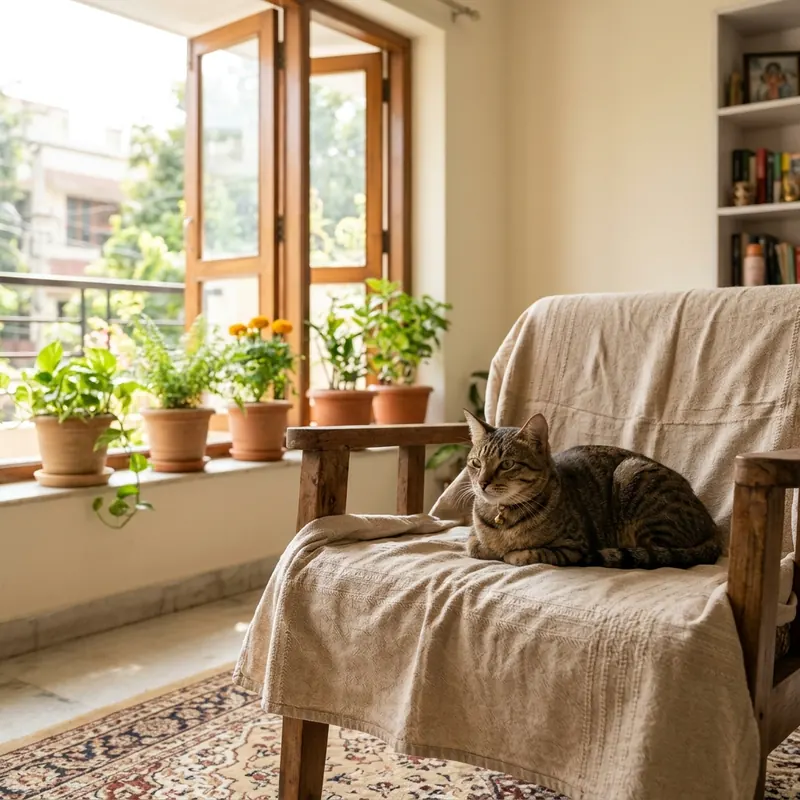
If you have ever rescued a playful tabby indie kitten or welcomed a fluffy Persian into your home, older neighbours or well-managed apartment aunties might have gently warned you that spaying or neutering will turn an active cat into a lazy, over-eating couch potato. Cat spay myths in India often portray sterilisation as a direct shortcut to a sluggish, overweight pet, but veterinary science and everyday experience tell a wonderfully different story about your feline companion's health and longevity.
Why the "lazy cat" myth took root (and what is really happening)
Cats naturally reach physical maturity around six to eight months of age. Around this transitional time, their metabolism shifts as kitten energy settles into steady adult grace. Unsterilised cats spend a massive amount of physical and mental energy roaming outdoors, seeking mates, and defending territory against local rivals. Once that hormonal drive is gently removed through a routine surgical procedure, their energy requirements drop slightly simply because they are no longer burning calories chasing imaginary rivals across the colony or rooftop.
The weight gain that sometimes follows spaying is rarely caused by the surgery itself. Instead, it happens when pet parents continue leaving large bowls of calorie-dense dry kibble out all day long for a cat whose daily energy output has naturally leveled off. When portion control meets a loving indoor routine, your cat stays trim, agile, and ready for their next game of chase.
Do indoor apartment cats in high-rises really need to be neutered or spayed?
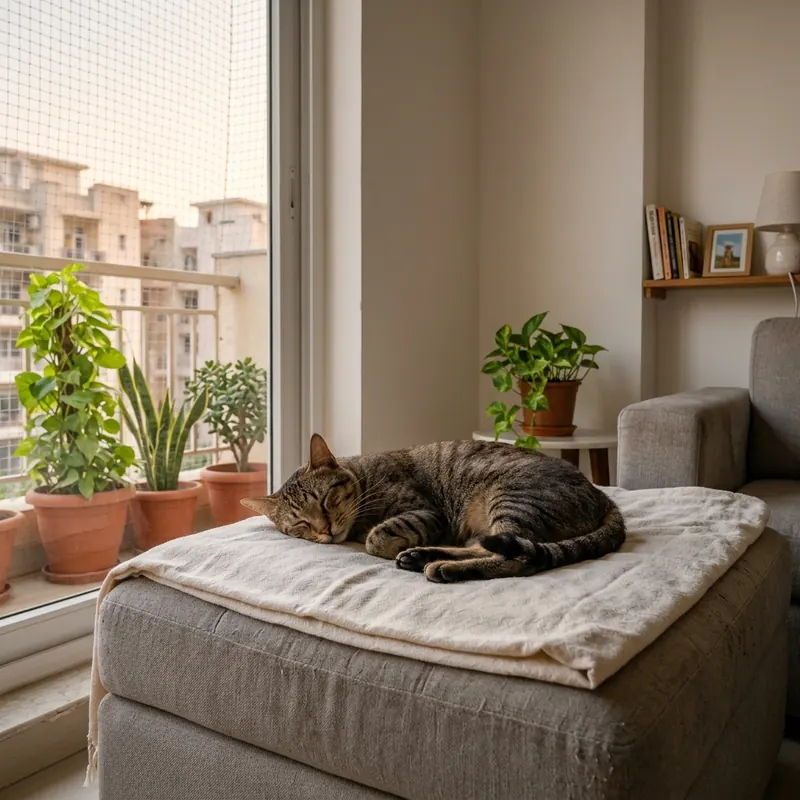
A widespread belief in Indian housing societies is that if a cat lives strictly indoors—safely behind balcony safety nets and closed grilled windows—they do not need to undergo surgery. Unfortunately, biology does not check your apartment floor number or your RWA rules. Unspayed female cats go into heat cycles repeatedly, yowling through the night, pacing restlessly, and keeping the entire household awake. Unneutered males experience intense hormonal frustration and often resort to spraying pungent, strong-smelling urine on walls, doors, and curtains to mark their territory—a smell that is remarkably stubborn to remove.
More importantly, unsterilised cats are driven by deep instinct to slip out the front door whenever a delivery person arrives or the balcony net gets a tiny gap. Sterilisation removes this frantic, stressful drive, keeping your cat safe, calm, and content right where they belong.
"Sterilisation does not steal your cat's sparkle; it protects their long-term health and gives you both a calmer, happier life together."
What actually changes in your cat’s personality after surgery?
Many first-time cat parents worry that surgery will alter their pet's core personality, making them quiet, withdrawn, or sad. Rest assured, your cat's quirky character is entirely intact. Independent spunk, midnight zoomies across the living room rug, and affectionate head-bunts are shaped by personality and good parenting, not reproductive hormones.
What actually disappears are the exhausting behaviours driven by reproductive stress. Biting during petting due to overstimulation, aggressive territorial fights in multi-cat homes, and distressing yowling all fade away. What remains is a more relaxed, affectionate companion who enjoys your company even more.
Four practical ways to keep your sterilised cat fit and playful
- Switch to measured meals: Move away from free-feeding kibble and ask your vet for exact daily portion recommendations tailored to your cat's weight and age.
- Schedule daily play: Dedicate ten to fifteen minutes twice a day to interactive games with feather wands, kicker toys, or crinkly paper balls.
- Set up vertical territory: Install stable cat trees, wall shelves, or sturdy scratching posts so your cat can climb, stretch, and burn energy safely indoors.
- Explore everyday questions: Get more honest answers to parenting queries by visiting our Cat Talk answers page.
What recovery looks like at home after the procedure
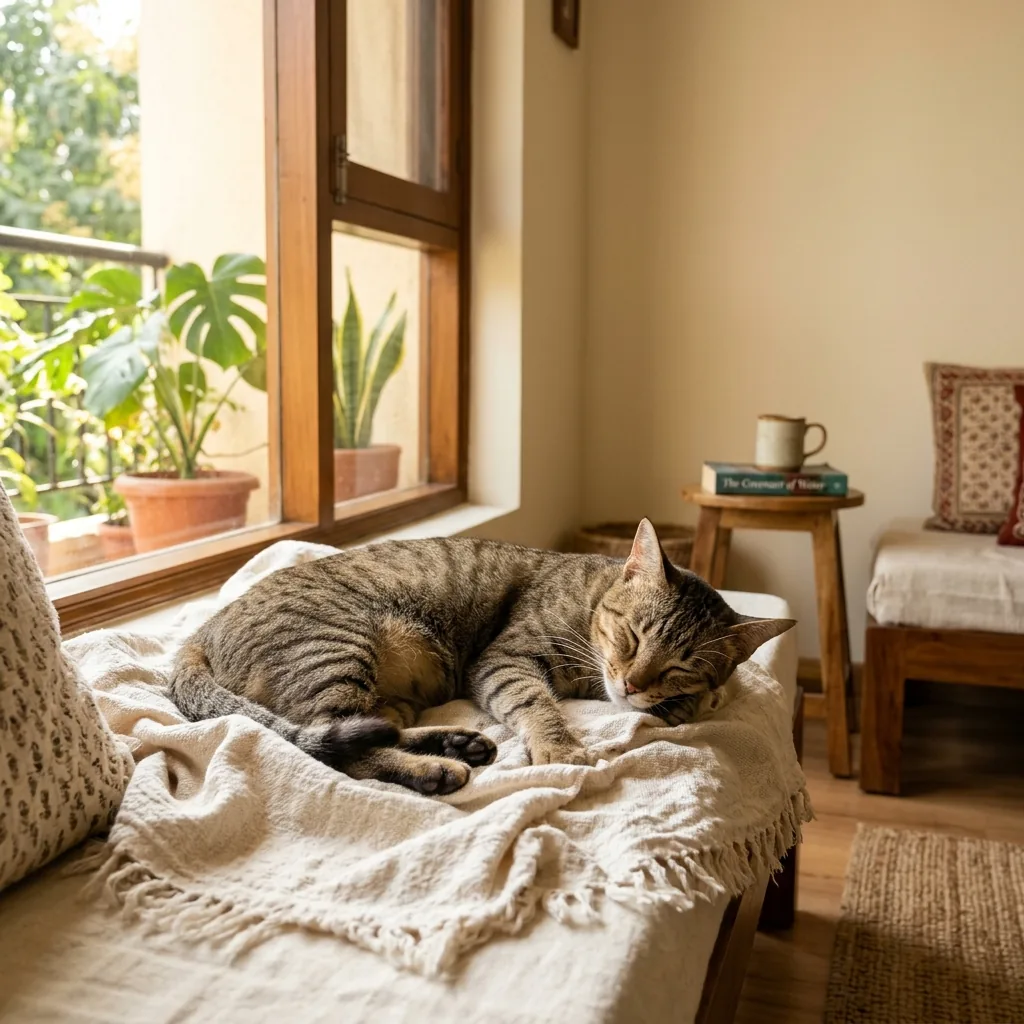
Post-surgery recovery is simpler than most people think, provided you follow your vet's instructions carefully. Female cats typically need about a week of quiet indoor rest while their abdominal incision heals, while males bounce back within a couple of days. Set up a cosy, low-set bed in a quiet room away from loud household noises, keep high jumping to a minimum, and check the surgical site daily to ensure it remains clean and dry. If your cat shows any unusual discomfort, call your vet straight away for guidance.
By letting go of outdated myths and focusing on good nutrition and daily play, you give your cat the best chance at a long, vibrant life by your side.