Fiber for Cat Hairballs: How Roughage Helps Move Fur Along
Discover how dietary fiber helps manage cat hairballs by keeping digestion moving, alongside practical grooming habits for your feline friend.
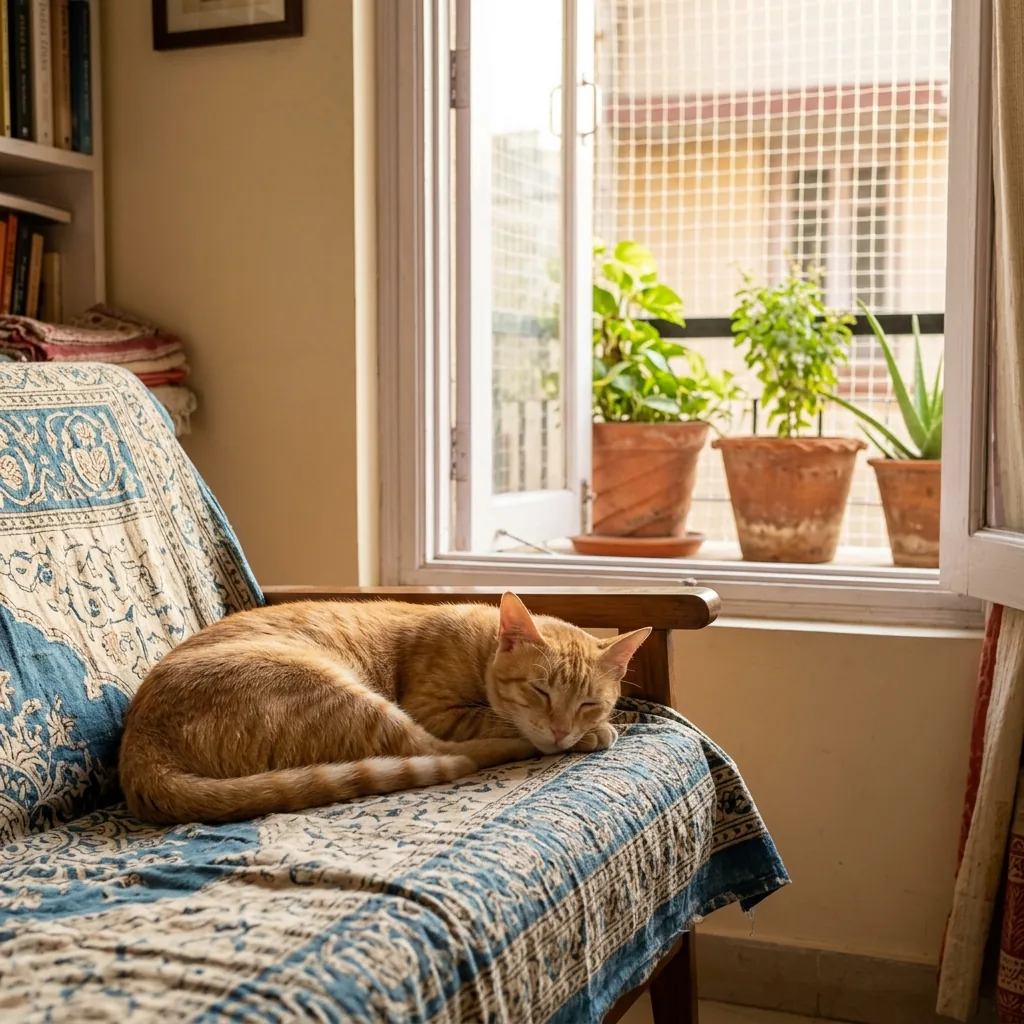
In this story · 5 parts
That familiar, dreadful sound in the middle of the night—a sudden hacking cough followed by a wet thud on the tiled floor—is something every cat parent knows too well. When we look for ways to help, we often think immediately of grooming brushes, but diet plays an equally important part. Introducing the right amount of fiber for cat hairballs can make a real difference in how smoothly swallowed fur travels through your cat's digestive tract rather than ending up on your rug.
Why Hairballs Form in the First Place
Cats spend a large portion of their waking hours grooming themselves. Their tongues are covered in tiny, hook-like structures called papillae that act like a fine-toothed comb, catching loose hair. Much of this hair is swallowed during grooming sessions. While most of it passes straight through the digestive system without a hitch, some fur lingers in the stomach, forming a compact clump.
In a healthy digestive tract, food and digestive contents move along at a steady rhythm. When your cat swallows more fur than usual—especially during heavy shedding periods or if they have a thick, luxurious coat like a Persian cat or a heavy-coated Indian indie—the digestive system needs a little extra support to prevent those stray hairs from tangling into stubborn hairballs.
How Dietary Fiber Helps Move Fur Along
Fiber is essentially the part of plant-based foods that a cat's body does not fully break down. While cats are strict carnivores who thrive on meat, a controlled amount of dietary fiber plays a vital functional role in gut motility. Soluble and insoluble fibers add bulk to the stool and gently stimulate peristalsis, which are the wave-like muscle contractions that push contents through the intestines.
When fiber moves through the gut, it acts like a gentle internal sweep, encouraging swallowed hair to pass out naturally with the stool instead of accumulating in the stomach. Vets generally advise caution, however; simply dumping extra fiber into your cat's bowl without guidance can lead to gas, softer stools, or reduced nutrient absorption. Always work with your veterinarian to find the right balance for your cat's unique stomach.
Practical Ways to Support Your Cat's Digestion
Managing hairballs successfully requires a combination of coat maintenance and thoughtful nutrition. Here are a few practical habits to keep your cat comfortable year-round:
- Brush your short-haired cat a few times a week, and commit to daily grooming for long-haired breeds or dense-coated indies.
- Ask your vet about commercial hairball-control cat food formulations that contain carefully measured levels of natural plant fiber.
- Encourage your cat to drink plenty of fresh water throughout the day to keep their entire digestive system well-hydrated.
- Offer cat-safe sprouted greens in pots on your balcony if your cat enjoys nibbling on plants, which provides mild natural roughage.
- Monitor their litter box habits regularly to ensure smooth digestion without straining or discomfort.
When Brushing and Fiber Aren't Quite Enough
While fiber and regular grooming solve minor hairball issues for many feline companions, frequent vomiting, lethargy, or a sudden loss of appetite should never be ignored or brushed off as standard cat behavior. Undigested hair clumps can occasionally cause dangerous intestinal blockages that require immediate medical intervention.
Regular grooming combined with thoughtful dietary support helps keep hairballs at bay, but your vet is always your best partner when digestion changes suddenly.
If your cat's usual coat maintenance and diet adjustments do not seem to curb the problem, professional care such as a gentle deshedding treatment at the Fluff & Fuss Spa can lift away pounds of loose undercoat before your cat ever gets a chance to swallow it during their daily clean-up routine.
Wrapping Up
Dealing with hairballs takes a little patience, observation, and a steady daily routine. By pairing consistent brushing with the right nutritional support, proper hydration, and loving attention, you can help your feline friend stay comfortable, clean, and ready for their next sunny afternoon nap.