Hypoallergenic Cat Breeds in India: Fact vs. Fiction
Do hypoallergenic cat breeds exist in India? Learn the truth about dander proteins, allergy triggers, and how to live comfortably with a cat.
In this story · 5 parts
If you love cats with all your heart but your nose starts running and your eyes water the moment a whiskered visitor walks into the room, you are likely searching for hypoallergenic cat breeds in India. The dream is simple: finding a feline companion that won’t trigger a sneeze-fest in your Mumbai apartment or Noida high-rise. But before you scour breeder directories or pay a premium for a rare import, let’s clear up a widespread misconception. There is no such thing as a truly hypoallergenic cat, but understanding how cat allergies actually work can help you live comfortably with a feline friend.
It is not the fur — the real culprit behind cat allergies
Most people blame cat hair for their watery eyes, but the sneeze-inducing villain is actually a microscopic protein called Fel d 1. Cats produce this protein in their saliva, sebaceous glands, and skin. When they groom themselves, the protein dries on their fur as dander and floats effortlessly into the air, settling onto your sofa cushions, curtains, and carpets.
Because every cat produces Fel d 1, no breed is completely allergen-free. Even hairless cats like the Sphynx still produce the protein through their skin and need regular wipe-downs. In Indian homes, where dust mites and seasonal pollution already test our sinuses, adding unmanaged cat dander to the mix can make life uncomfortable for sensitive family members.
Are there breeds that produce fewer allergens?
While no cat is entirely allergy-free, some breeds produce lower levels of Fel d 1 or shed significantly less fur, making them easier to manage for people with mild sensitivities. Breeds like the Siberian, Balinese, or Devon Rex are often touted online as hypoallergenic. However, finding these specific pedigree cats through ethical channels in India can be remarkably difficult and expensive.
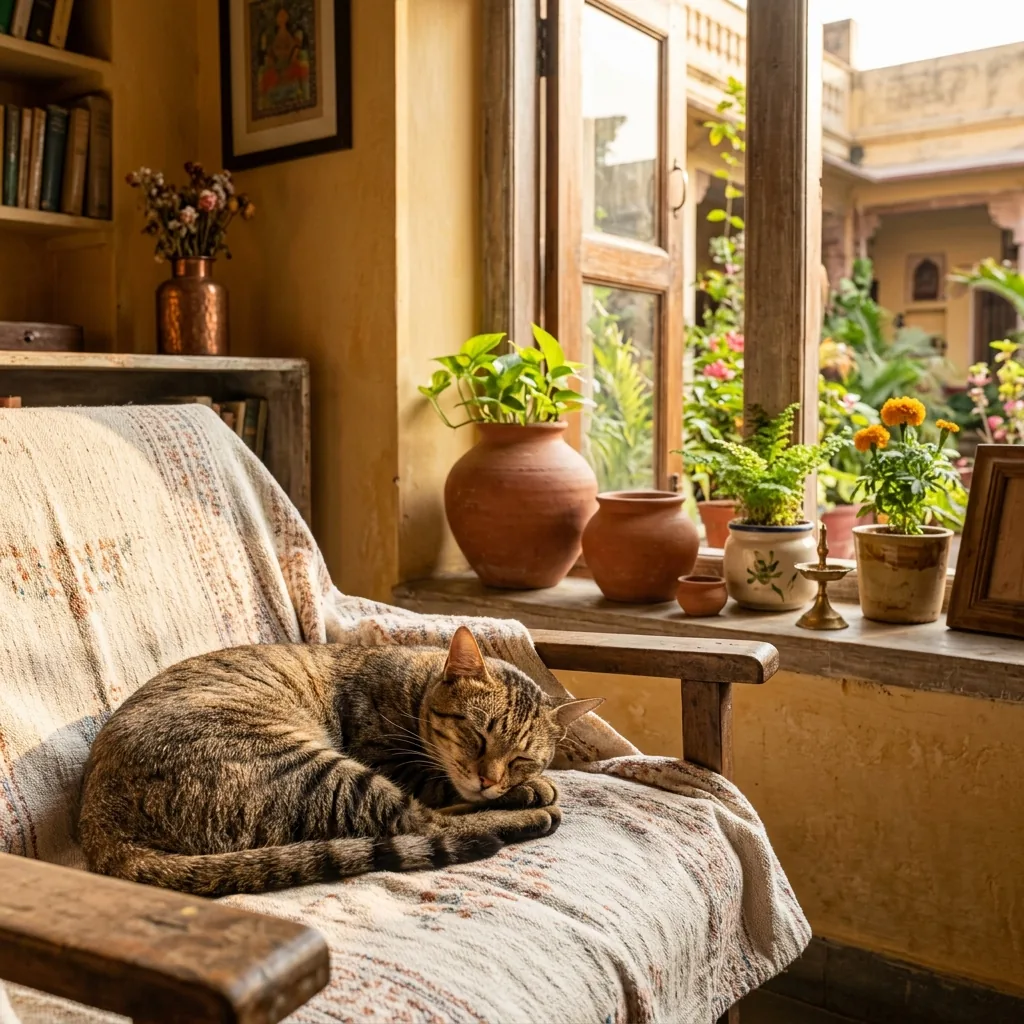
On the other hand, our beloved Indian indies (desi cats) and the ubiquitous Persian cats found in many local households fall squarely into the standard allergen category. If you already share your home with an indie tabby or are thinking of adopting one, the secret to surviving allergies rarely lies in the cat's breed passport. It lies entirely in your daily home routine and cleaning habits.
Practical ways to live with cats when you have allergies
You do not necessarily have to give up the joy of cat companionship just because you sneeze easily. With a few consistent habits, you can dramatically cut down the allergen load in your living room and bedroom.
- Keep your bedroom a strict no-cat zone so your sinuses get a complete break while you sleep.
- Invest in a good air purifier with a HEPA filter to catch floating dander in closed-door Indian living spaces.
- Wipe your cat down gently with a damp microfibre cloth a few times a week to remove loose surface dander.
- Wash your hands thoroughly after every petting session and avoid touching your face before you wash up.
- Vacuum carpets and soft furnishings regularly, ideally using a vacuum cleaner equipped with a HEPA filter.
- Bathe your cat occasionally if your vet recommends it, though many cats prefer a gentle brush instead.
The secret to living happily with a cat when you have allergies isn't finding a rare, expensive breed — it's managing the dander in your everyday home environment.
How to test your allergy tolerance before bringing a cat home
Before committing to a lifetime of sharing your sofa with a feline companion, it is wise to test your personal reaction. Spend a few hours in a home that already has a cat, or volunteer at a local rescue shelter. Allergy severity varies wildly from person to person; what causes mild sniffling in a friend might trigger a severe asthma reaction in you.
If you are planning a trip out of town and want to see how you manage around multiple cats, or if you are looking for a reliable place where your cat can stay while you sort out home routines, you can visit our home cat boarding in Noida to see how cats and humans share a clean, dander-managed space firsthand.
When your cat's skin issues mimic your allergies
Sometimes, what looks like an allergy flare-up in your home might actually be linked to your cat's own skin health. Fleas, dietary sensitivities, or environmental allergies can cause cats to groom excessively, spreading even more dander around the house. Keeping your cat on a regular parasite prevention schedule prescribed by your veterinarian keeps both of you breathing a little easier.
Allergies can make cat parenting feel complicated, but with a little patience, proper cleaning, and an honest assessment of your sensitivity levels, you can enjoy all the headbutts and purrs your heart desires. Take your time, test your limits gently, and find a rhythm that keeps both your nose and your cat happy.