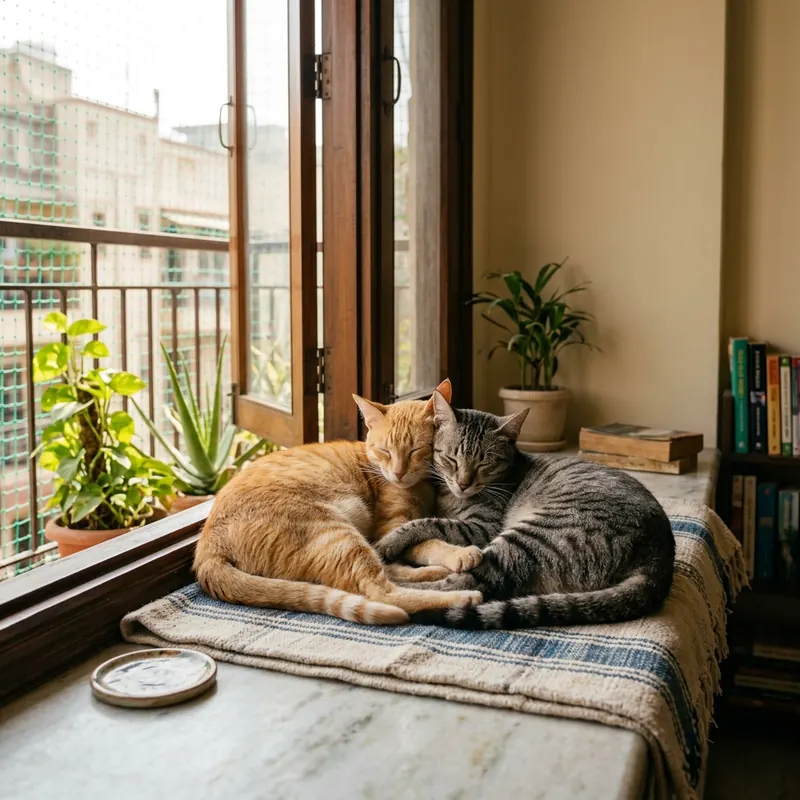
Spaying Your Colony Indie Cat: A Practical Post-Op Recovery Guide
Bringing a community indie cat indoors for spaying recovery can feel daunting in a busy Indian society. Here is how to keep her safe and comfortable.
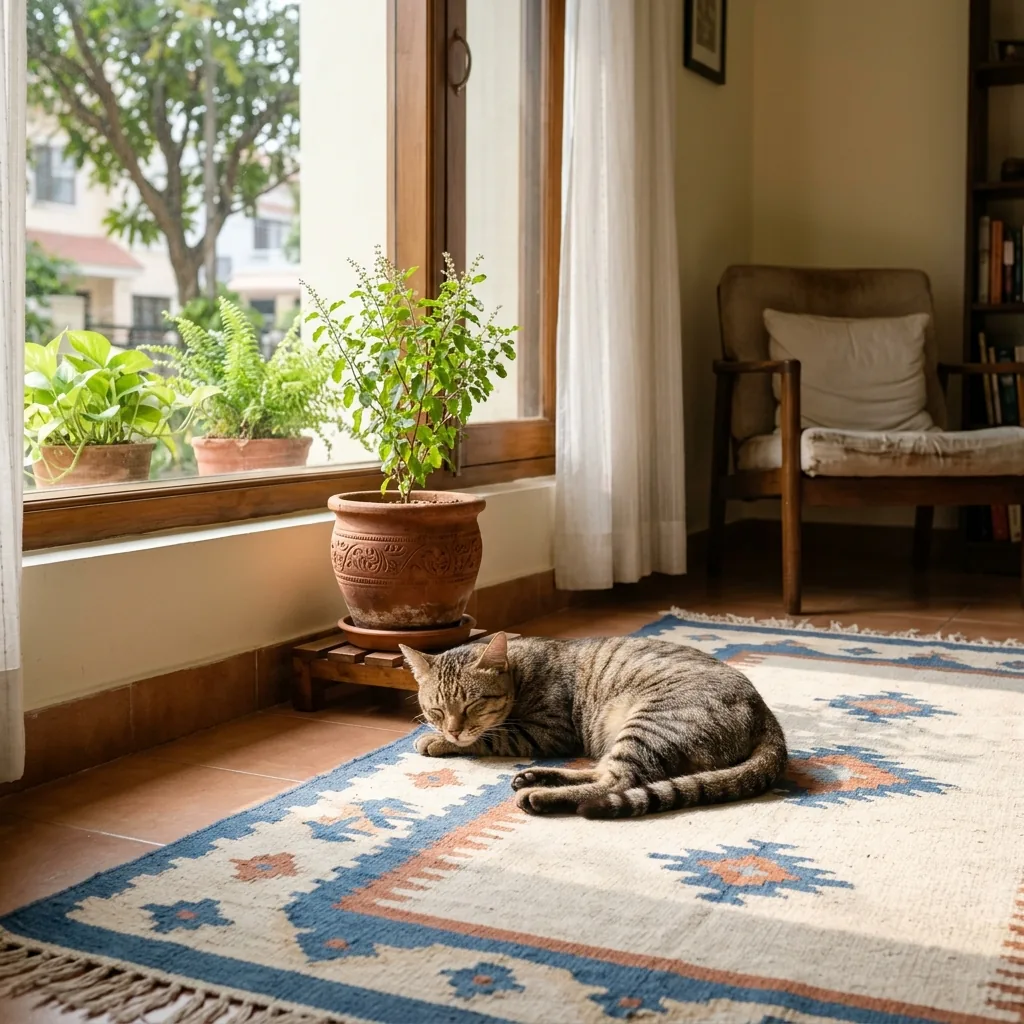
In this story · 5 parts
Spaying an Indian stray cat is one of the kindest gifts you can give your neighbourhood colony — preventing endless litters, reducing territorial fights, and giving community cats a healthier, safer life. But if you have ever participated in a Trap-Neuter-Return drive in your residential society, you know the journey does not end at the veterinary clinic door. The real puzzle begins when you bring her back home for recovery. How do you keep a street-smart indie cat confined safely for a few days without driving her (or yourself) up the wall in a busy Indian flat where neighbours are already curious about the new guest?
Transporting and Settling In Without Drama
Catching a community cat requires calm precision. Use a reliable trap or a sturdy carrier lined with a clean towel, and avoid bare hands if the cat is semi-feral and frightened. Once you arrive home from the clinic, place the carrier directly inside her designated recovery room, open the door gently, and step back. Let her emerge when she feels secure rather than pulling her out forcefully.
Before she arrives, pick a quiet, low-traffic spot in your home — a spare bedroom, a utility balcony with secure safety netting, or even a spacious wire pet crate if she is particularly anxious. Remove anything she could climb onto, as jumping can strain fresh surgical stitches. Lay down old cotton bedsheets or newspapers that can be easily changed, and place a shallow litter box in one corner.
The 3 to 5 Day Confinement Rule
Vets generally advise keeping female cats confined for at least five days post-surgery to allow internal and external tissues to heal properly. For a street cat used to absolute freedom, this confinement is the hardest part. She might meow, paw at the door, or try to slip past your ankles when you bring her food in.
Patience is your best tool here. Cover part of her enclosure with a light cotton cloth to create a safe, den-like feeling. Check on her quietly every few hours, speak in a gentle, reassuring voice, and resist the temptation to let her out early just because she looks active. Rushing the release can lead to torn stitches or wound infections in damp monsoon or dusty summer conditions.
Feeding and Wound Care Without the Fuss
When you bring your indie cat back from the clinic, her appetite might be a little sluggish on the first evening due to the lingering effects of anaesthesia. Offer fresh water and a small portion of her regular wet food or soft boiled chicken without any onion, garlic, or heavy spices. Do not force-feed her, but call your vet if she refuses to eat or drink for more than twenty-four hours.
Inspect the incision site daily from a safe distance for any swelling, redness, or discharge. Never apply home remedies like turmeric, coconut oil, or antiseptic liquids unless specifically prescribed by your veterinarian. If she wears a plastic Elizabethan collar or a soft recovery suit, let her keep it on even if she looks grumpy — it stops her from licking or biting the sensitive area.
Practical Tips for Managing Community Cat Recovery
- Prepare the recovery space entirely before the cat arrives home so you do not startle her with sudden movements.
- Keep other resident pets in a separate room to avoid unnecessary stress and territorial friction.
- Use a sturdy, escape-proof carrier with secure latches for all transport to and from the veterinary clinic.
- Scoop the recovery litter box twice daily to keep the wound area clean and free from dust or bacteria.
- Observe her energy levels daily; a gradually returning appetite is a reliable sign of smooth healing.
A street cat’s recovery needs three simple things: a quiet corner, a watchful eye, and the patience to let her heal in her own time.
Returning Her to Her Territory or Finding a Forever Home
Once the vet gives the green light after her post-op check-up, it is time to release her back to her familiar feeding spot in your society. Coordinate with your local cat feeders so fresh food and clean water are waiting for her upon release. Open the carrier door calmly and let her step out at her own pace.
Sometimes, through the process of sheltering and feeding her during recovery, you might notice she is surprisingly affectionate and eager for human company. If she turns out to be a people-loving adult or a rescued kitten who would struggle back on the streets, consider looking for a permanent adoption match through platforms like A home for every paw, giving her a safe indoor life forever.