Wet Cat Food in Indian Homes: Storage, Ants, and Warmth Hacks
Keep wet cat food fresh, ant-free, and delicious in Indian homes with simple fridge storage hacks, temperature tricks, and daily feeding routines.
In this story · 6 parts
If you have ever opened a pouch of wet food, served it with hope, and watched your cat sniff it once before walking away to clean their paws, you are not alone. Getting wet cat food in Indian homes right comes down to three practical steps: keeping opened pouches fresh, protecting feeding dishes from ants, and serving food at a temperature your cat will actually eat. Wet cat food provides vital hydration for indoor cats and native indies (desi cats) who rarely drink enough water from a bowl, but handling leftovers in warm rooms or cold fridges can test anyone's patience.
Why Wet Food Is Essential for Hydration
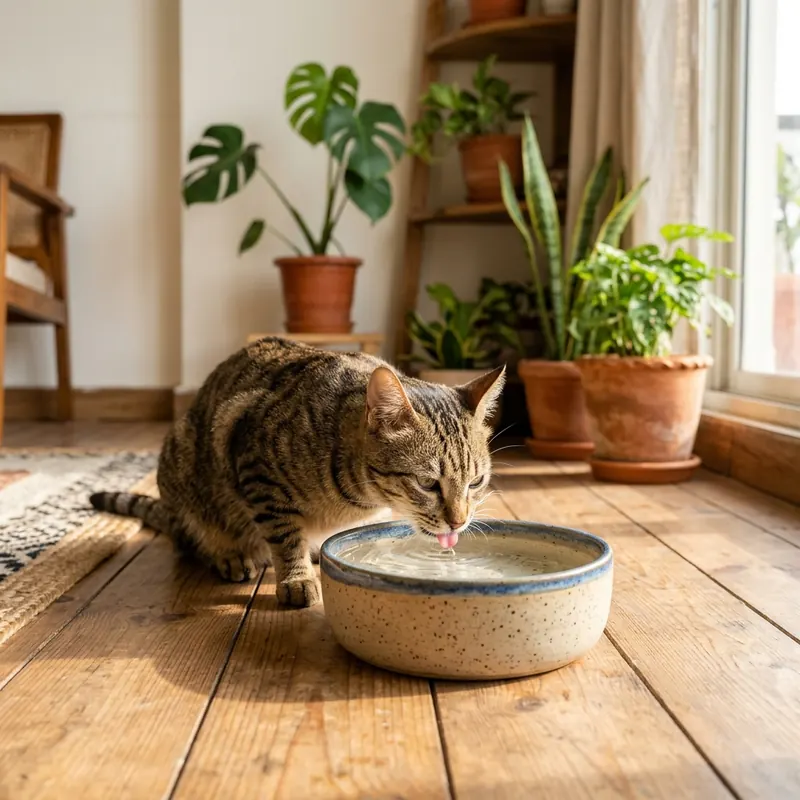
Cats originated from desert-dwelling hunters, and their bodies evolved to get most of their moisture directly from their prey rather than drinking standing water. Dry kibble contains only around 8 to 10 percent moisture, whereas commercial wet food provides roughly 75 to 80 percent water. When a cat lives primarily on dry kibble, their low natural thirst drive rarely prompts them to drink enough from a water bowl to make up the difference.
This low water intake can lead to concentrated urine, increasing the risk of urinary tract issues like bladder stones or painful crystals. Incorporating wet meals into your cat's daily routine flushes the kidneys and keeps the urinary system working smoothly. Whether your cat is a sleek indie tabby or a long-haired Persian, that daily boost of moisture is one of the quietest ways to protect their health over the long run.
The Fridge Problem: Storing Opened Pouches and Cans
In Indian weather, an opened pouch or tin of wet food left out at room temperature will spoil within two to three hours. Refrigeration is necessary, but Indian refrigerators present their own set of challenges. Cold air quickly dries out exposed cat food, and strong aromas from spice mixes can transfer onto your cat's meal, making it unappealing to a sensitive nose.
To keep leftover wet food fresh and tasty for up to 48 hours, follow a few simple storage habits:
- Transfer canned food immediately: Never leave wet food inside an opened tin in the fridge. Transfer leftovers into a small glass jar or food-grade plastic container with an airtight lid.
- Seal pouches tightly: Fold the open top of a pouch twice and secure it with a sturdy food clip before placing it in the main body of the fridge rather than the door shelves.
- Divide into single portions: If buying larger tins, spoon individual meal portions into small containers so you only open what you need for each feeding.
Why Cats Reject Cold Food (and How to Warm It Safely)
If you serve wet food straight from the fridge, your cat is likely to leave it untouched. This is not just fussiness; it is biological instinct. A wild cat's prey is warm, and feline scent receptors are tuned to smell warm fat and proteins. Cold wet food hides its aroma and feels unpleasantly chilly on a cat's tongue.
A cat’s refusal to eat wet food straight from the fridge isn’t picky behaviour—it is pure instinct asking for a meal served at natural body temperature.
Never microwave wet cat food for long periods, as hot spots can burn your cat's mouth and destroy essential nutrients. Instead, add one or two tablespoons of warm water to the cold portion and stir well. The warm water breaks up the gel or gravy, releases enticing aromas, and creates a delicious broth while warming the food to room temperature in seconds. You can also place the sealed container in a small bowl of warm water for ten minutes before serving.
Ant-Proofing Your Cat's Feeding Station
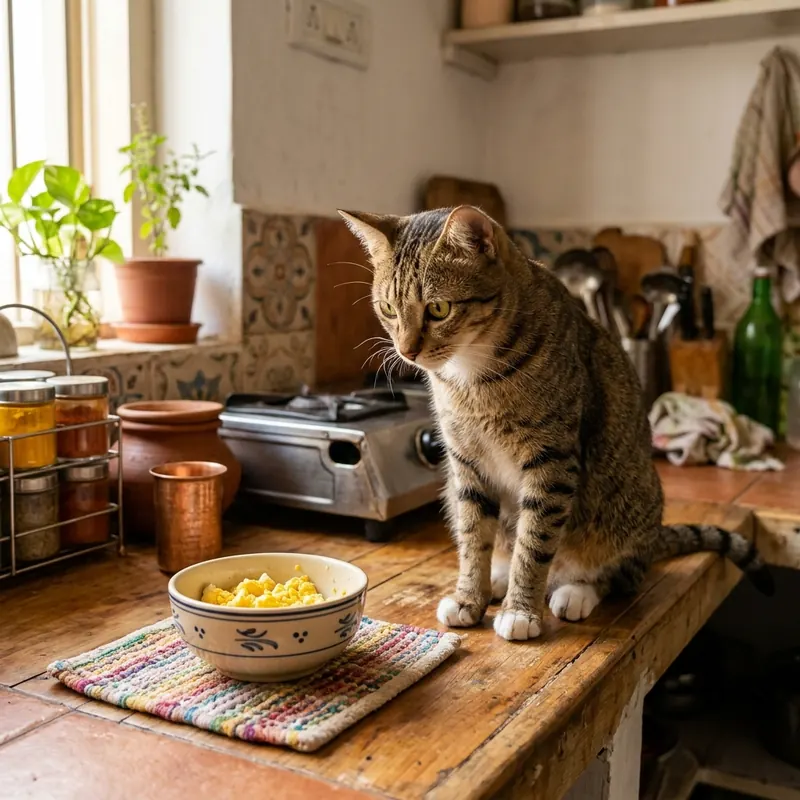
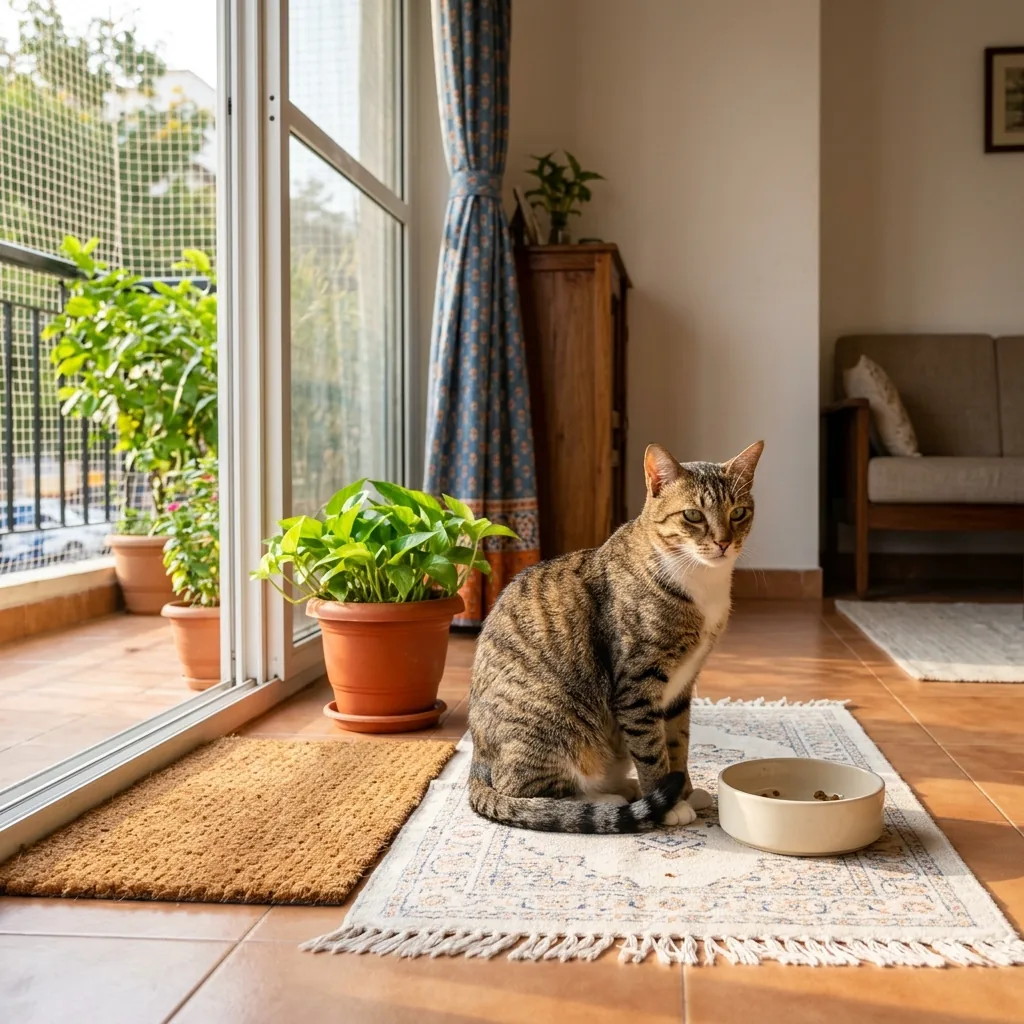
One of the biggest nuisances in Indian households is how quickly black ants — cheentiyan (चींटियां) — swarm a wet food bowl. A single stray ant in the dish can cause a tidy cat to abandon their meal completely. Keeping the feeding area clean and insect-free requires a simple daily routine.
Try these effective methods to keep ants away from wet food:
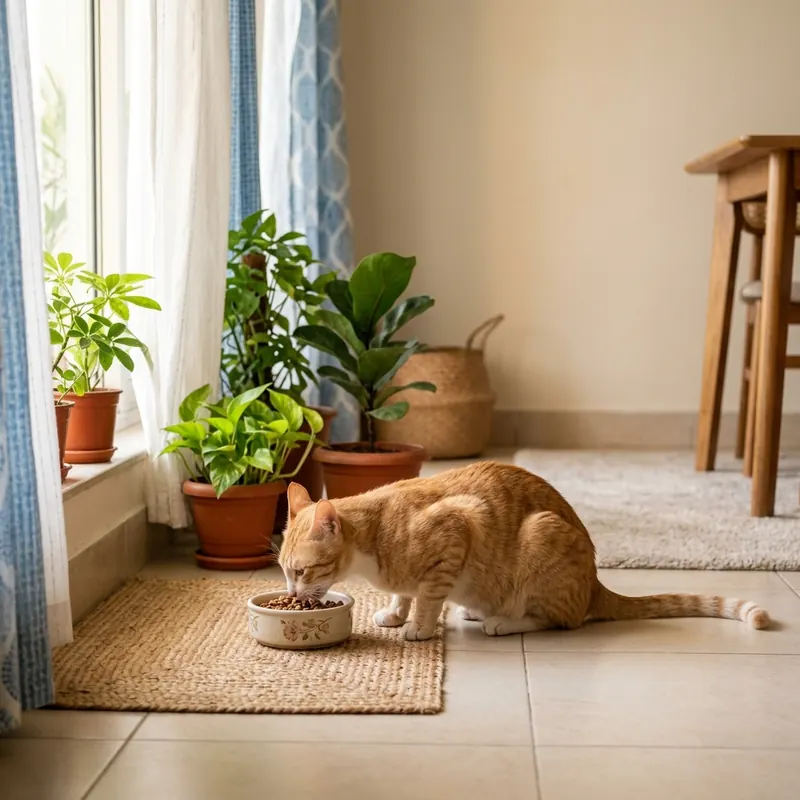
- Create a water moat: Place your cat's stainless steel or ceramic food dish inside a shallow tray filled with half an inch of clean water. Ants cannot cross the water barrier to reach the food.
- Establish fixed feeding windows: Offer wet food for 20 to 30 minutes, then pick up whatever is left. Leaving wet food out all day invites insects and encourages spoilage.
- Wipe down feeding mats daily: Ants follow invisible scent trails. Cleaning around the dish after every meal removes scent markers and keeps foraging insects away.
- Elevate the bowl: Placing food bowls on a low, smooth ceramic stand makes it harder for insects to wander in compared to bowls resting directly on floor tiles.
Avoiding Common Kitchen Substitutes
When you run out of commercial wet food, it can be tempting to mix dry kibble with leftover human gravies or curries. However, home-cooked dishes in Indian kitchens frequently feature onion — pyaz (प्याज़) — and garlic — lehsun (लहसुन). Both belong to the Allium family and contain compounds that damage a cat's red blood cells, potentially leading to dangerous anaemia. For more details on common household hazards, consult our guide to dangerous household foods for cats in Indian homes.
If you need to prepare a quick homemade wet meal in a pinch, stick to plain, unseasoned chicken breast or white fish boiled strictly in water. Skip all salt, oils, ghee, turmeric, and spices. Once cooled, shred the meat finely and serve it with a splash of the plain cooking broth for a safe, hydrating snack.
Building a Happy Feeding Routine
Finding the right rhythm for wet food feeding takes a little trial and error, but the rewards are clear: a well-hydrated cat with a glossy coat and healthy kidney function. By keeping pouches sealed tight, warming cold portions with a splash of warm water, and setting up an ant-proof feeding spot, mealtime becomes a smooth, happy routine for both you and your cat.