Why Your Indoor Cat Barely Drinks Water (And How to Fix It)
If your cat's water bowl barely looks touched, you aren't alone. Here is why indoor cats ignore water and simple ways to help them drink.
In this story · 4 parts
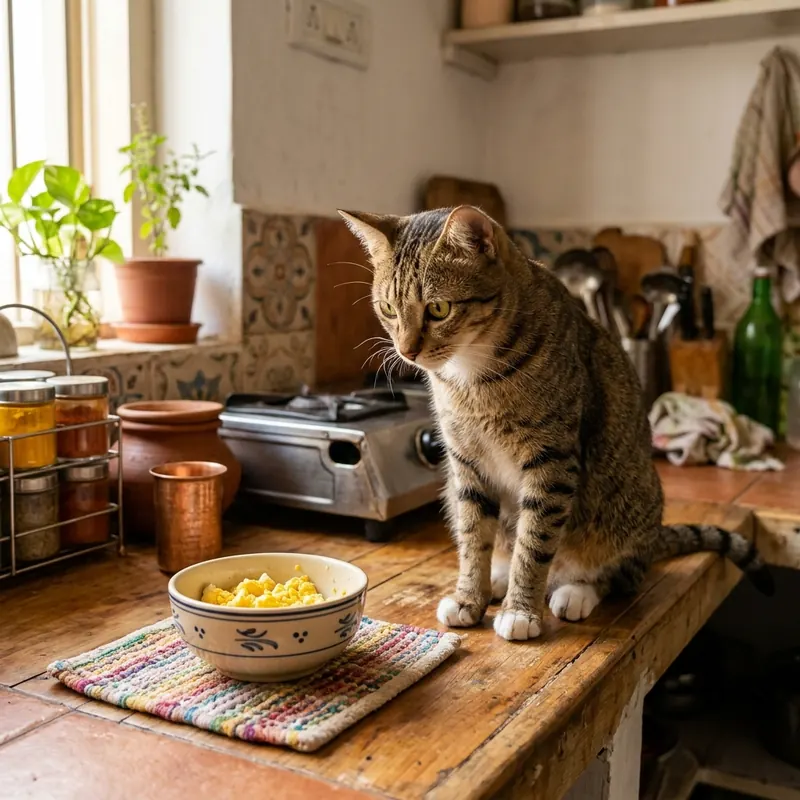
If you have ever stared at your cat's stainless steel katori (कटोरी) and wondered if a single drop has vanished all day, you are not imagining things. Cat low water intake is a quiet, nagging worry for many urban cat parents. Our indoor cats — whether they are independent local indies or fluffy Persians lounging on a sofa — are notorious for being terrible drinkers. They rarely march over to a water bowl for a deep, satisfying gulp the way dogs do. Instead, they take a dainty lick or ignore the bowl entirely, leaving you to wonder how on earth their tiny bodies manage on such minuscule sips.
Why do cats ignore the water bowl?
To understand why your cat treats their water bowl like a decorative ornament, we have to look back at their evolutionary roots. Domestic cats descend from African wildcats, small desert predators that got nearly all the moisture they needed from their prey — mice, lizards, and small birds. Their bodies evolved to concentrate urine efficiently and signal thirst only when levels are already running low. Modern indoor cats eating dry kibble are left trying to bridge a massive hydration gap using instincts built for the desert, not a high-rise apartment in Noida.
Add to this a cat's notoriously picky sensory preferences. Cats are exceptionally sensitive to the taste and smell of water. If a bowl sits out collecting dust, floating cat hair, or the faint stale taste of plastic, your cat will turn their nose up at it. To them, stagnant water feels unsafe and unappealing.
Simple, practical ways to encourage more drinking
You cannot force a cat to drink, but you can redesign their environment to make water irresistible. Small tweaks to how and where you serve water can completely change their habits without turning mealtimes into a battle of wills.
- Swap plastic for steel or ceramic: Plastic bowls trap microscopic odours and bacteria that put cats off. Switch to wide stainless steel katoris or heavy ceramic bowls that keep water tasting fresh.
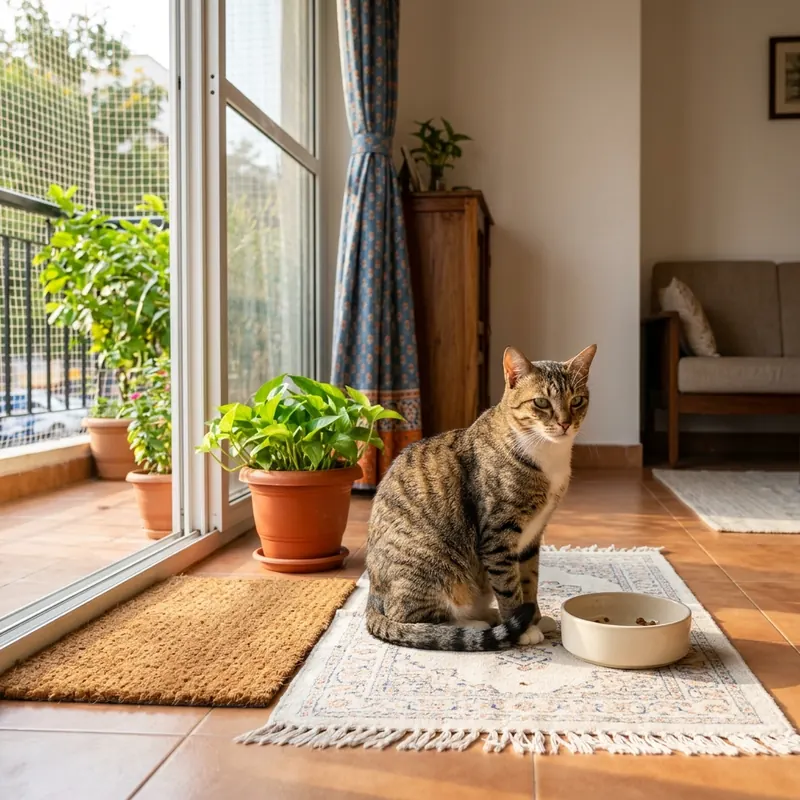
- Move water away from the food bowl: In the wild, cats do not eat near their water source because prey remnants can contaminate water. Keep their drinking stations in quiet corners away from their litter boxes and food bowls.
- Spread hydration stations around the house: Place a few bowls or cups in different rooms — maybe a heavy mug on the bookshelf or a wide bowl in the hallway. Cats love stumbling upon unexpected water sources.
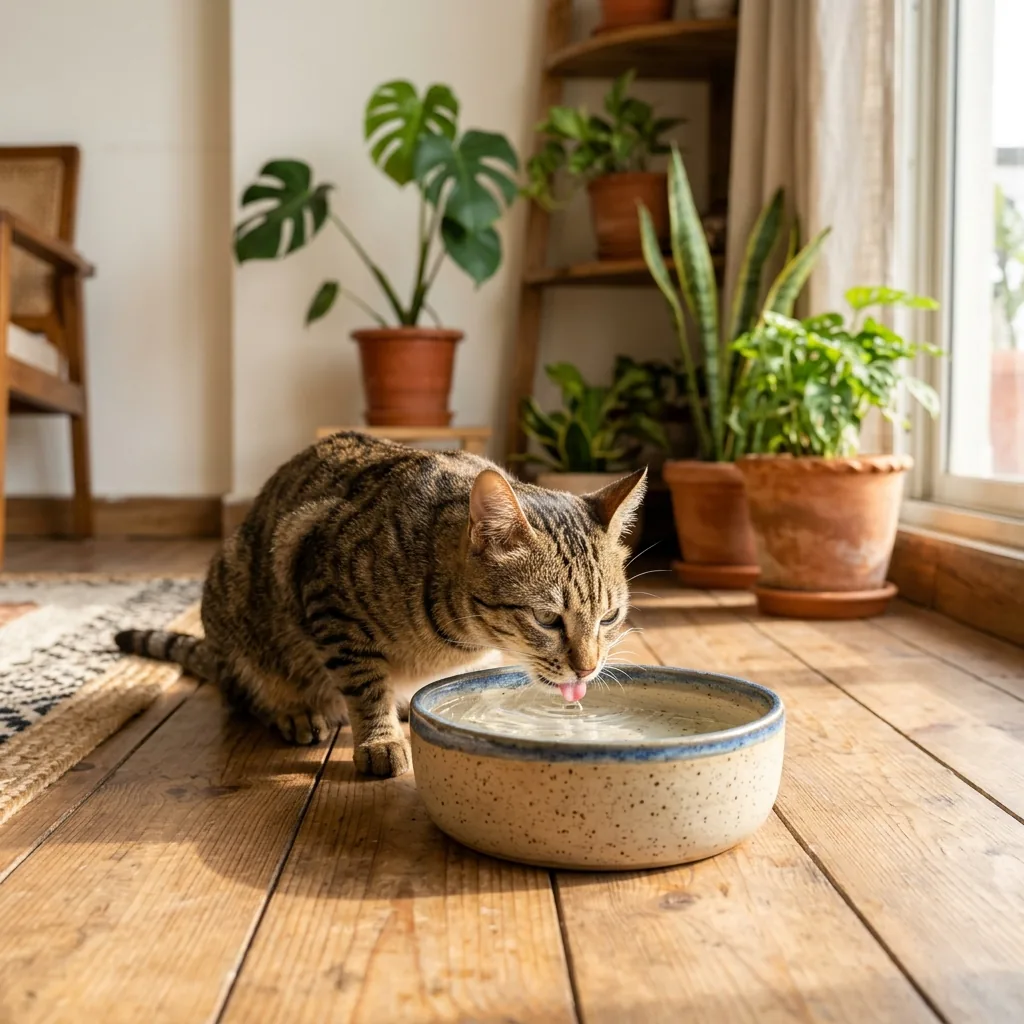
- Try wide, whisker-friendly dishes: Many cats dislike bowls that brush against their sensitive facial whiskers while they drink. A shallow, wide saucer makes a world of difference.
- Add a splash of flavour: Drop a tiny spoonful of plain, salt-free chicken broth or water from a tin of tuna (check the label to ensure no onion, garlic, or excess sodium) into their bowl to tempt reluctant drinkers.
Can wet food solve the puzzle?
If your cat steadfastly refuses to drink from a bowl, chasing them around with a syringe is not the answer. The easiest workaround is hiding their water in plain sight — inside their food bowl. Wet food, whether it is commercial pouches, canned gravy, or gently cooked fresh meals, is roughly 75 to 80 percent water. Transitioning even part of your cat's daily diet to wet food quietly secures a large portion of their daily moisture requirement, taking the pressure off their water bowl entirely.
Cats are not bad at drinking because they are stubborn; they are simply following an ancient desert instinct in a modern, bowl-filled home.
When to worry about dehydration
Every cat has days where they drink a little less, but chronic low water intake can lead to stubborn urinary tract issues, constipation, and kidney stress over time. It helps to keep a gentle eye on how often you are scooping clumps from the litter box. If your cat's urine clumps are unusually small, hard, or infrequent, or if they seem unusually lethargic, it is time to check in with your veterinarian.
If you are ever planning a short trip out of town and wonder whether your cat is eating and drinking well in your absence, taking a look at home-based boarding options like BilluBnB can give you peace of mind, with attentive daily observation ensuring your cat's hydration and routines never slip.