Where Did the 'Billi Marne Ka Prayaschit' Myth Come From?
If older relatives whisper about penance for harming a cat, discover the gentle historical truth behind India's unique feline myths.
In this story · 5 parts
If you have ever heard an older relative half-jokingly warn you about billi marne ka prayaschit — the heavy ritual penance supposedly required if someone accidentally harms a cat — you are not alone in wondering where such an intense idea came from. In many traditional Indian households, cats have long been wrapped in layers of folklore, superstition, and warnings about bad karma. But where do these dramatic stories originate, and how should modern cat parents look at them today?
Where did the golden cat penance story start?
Old Indian folklore is full of striking imagery. One of the most famous tales associated with accidental cat harm is the story of gifting a solid gold figurine of a cat—sone ki billi—to a temple priest to clear one's karmic ledger. While it sounds like the plot of a dramatic television serial or an old grand-aunt's bedtime warning, its roots actually lie in a very practical historical reality.
Centuries ago, before modern pest control, cats were invaluable guardians of grain stores, agricultural stockrooms, and homes, protecting food supplies from destructive rodents. Harming such a useful, quiet hunter wasn't just bad luck in an agrarian community; it risked a sudden surge in pests that could ruin an entire village's harvest or contaminate stored grain. Over generations, the practical rule of "protect the mouser" transformed into heavy moral and astrological warnings, eventually cementing the cat as a creature wrapped in mystical significance.
Are black cats and bad omens still a part of daily life?
Even today, you might see someone pause or step back if a black cat crosses their path in a bustling housing society lane or a quiet colony street. In Western superstition, black cats spell bad luck; in certain traditional Indian astrological interpretations, cats can sometimes be linked with planetary influences or considered unpredictable spirits that require caution.
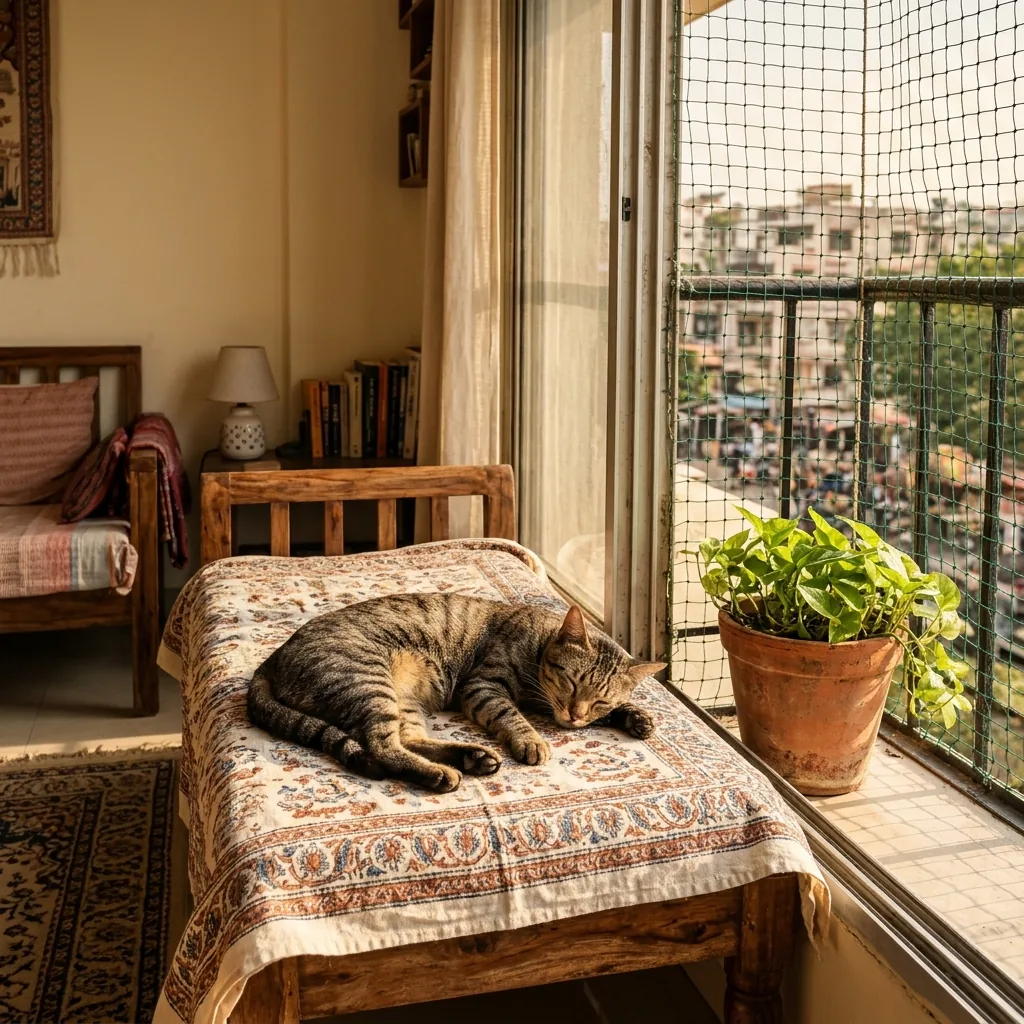
Yet, if you share your living room or balcony with a sleek black indie cat or a glossy domestic shorthair, you know the only thing they are casting a spell over is your afternoon nap schedule. Cats are simply independent, observant animals trying to find a warm patch of sunlight near a potted plant or a safety net. They don't carry curses, and they certainly don't keep score of ancient rituals.
Navigating traditional beliefs in a modern joint family
Living in a multi-generational Indian home often means balancing modern pet parenting with the cherished beliefs of older elders. When visiting uncles, aunts, or grandparents express hesitation about cats indoors—sometimes quoting old sayings about wandering spirits or bad omens—it usually stems from unfamiliarity rather than malice. Generational habits change slowly.
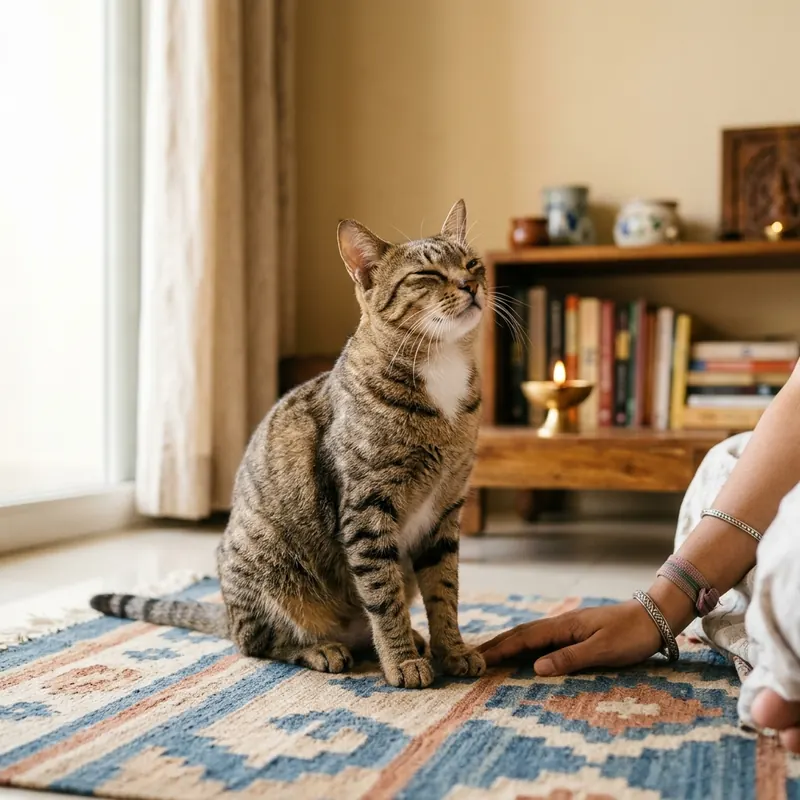
The best approach is gentle patience. Show them how clean your cat's litter box habits are, let them see the gentle head-butts your cat gives when asking for attention, and share a cup of chai while your cat naps peacefully on the sofa. Once elders see a cat as a gentle, affectionate family member rather than a mythical symbol, old anxieties naturally melt away into affectionate nicknames and shared treats from the kitchen.
- Understand the source: Old beliefs usually started as practical advice or societal rules to protect animals that kept homes free of disease-carrying rodents.
- Focus on living care: Kindness to the cats sharing your home today matters far more than worrying about historical folklore or astrological warnings.
- Respect elders with a smile: When visiting relatives mention old superstitions, a gentle conversation and a warm cup of tea bridge the generational gap.
- Embrace your indie or pedigree: Whether your cat is a rescued street tabby or a fluffy Persian, they deserve love, clean water, and a safe living space.
The best way to honour any cat is to give them a bowl of fresh water, a soft cushion, and a life free of fear.
How modern cat parents view the feline-human bond
Urban cat parenting in India has evolved in wonderful ways. We no longer look at our pets through the lens of ancient caution or spooky legends. Instead, we worry about air quality during winter smog, secure safety nets on high-rise balconies, and whether our fussy eaters will finish their wet food before it dries out.
When we clear away the old superstitions, what remains is a deeply rewarding companionship. Cats teach us about personal space, silent affection, and the art of slowing down after a long day of work in the city. If you have ever wondered about other quirky questions or common misconceptions floating around Indian pet circles, you can find friendly answers over at Cat Talk.
Moving past the myths into everyday kindness
Superstitions lose their grip the moment you really get to know a cat. Watching an indie cat stretch lazily on a terracotta pot or listening to a rescued kitten purr against your knee washes away centuries of old anxieties. You don't need golden statues or complicated rituals—just a patient heart, a secure home, and an open lap.